Why Have Motorcycle Lights Become a Hot Seller in Current Vehicle Modifications?
LiuHJG
Amid the ongoing boom in the global vehicle modification market, motorcycle customization has emerged as a popular trend among young consumers, thanks to its dual advantages of personalized expression and practical upgrades. As a core category in motorcycle modification, motorcycle lights have bucked the trend to become one of the hottest-selling items in the current modification market. With advancing technology, traditional motorcycle lights are gradually being replaced by increasingly sophisticated new models. Whether for professional off-road motorcycle enthusiasts or daily commuting riders, upgrading motorcycle lights has become a top priority. From basic bulb replacements to high-end intelligent headlights, market demand for motorcycle lights continues to rise.
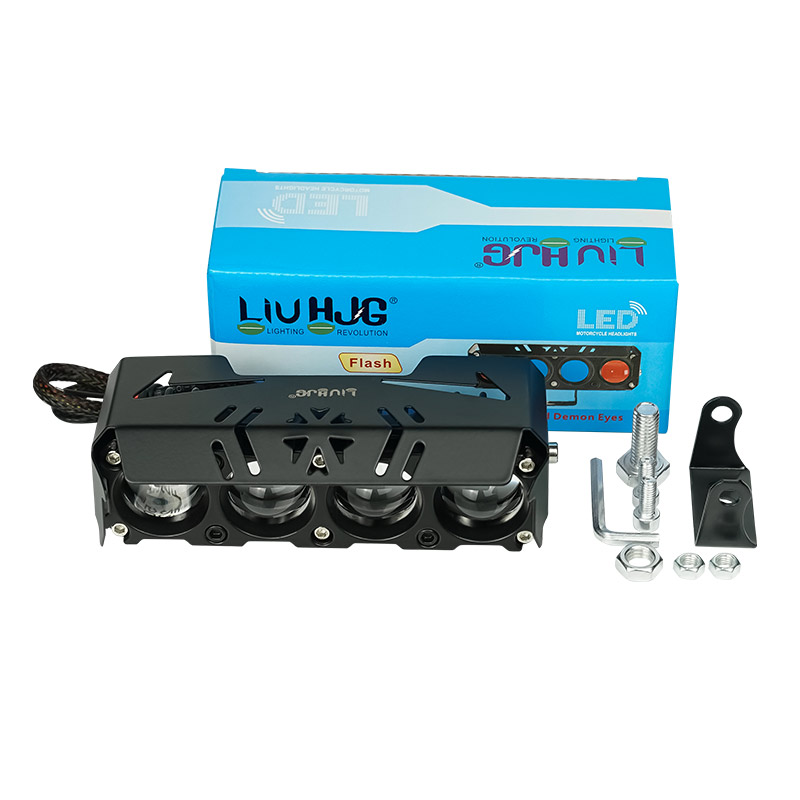
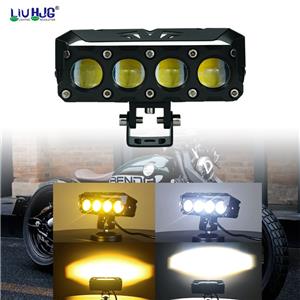
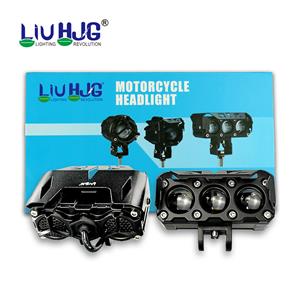
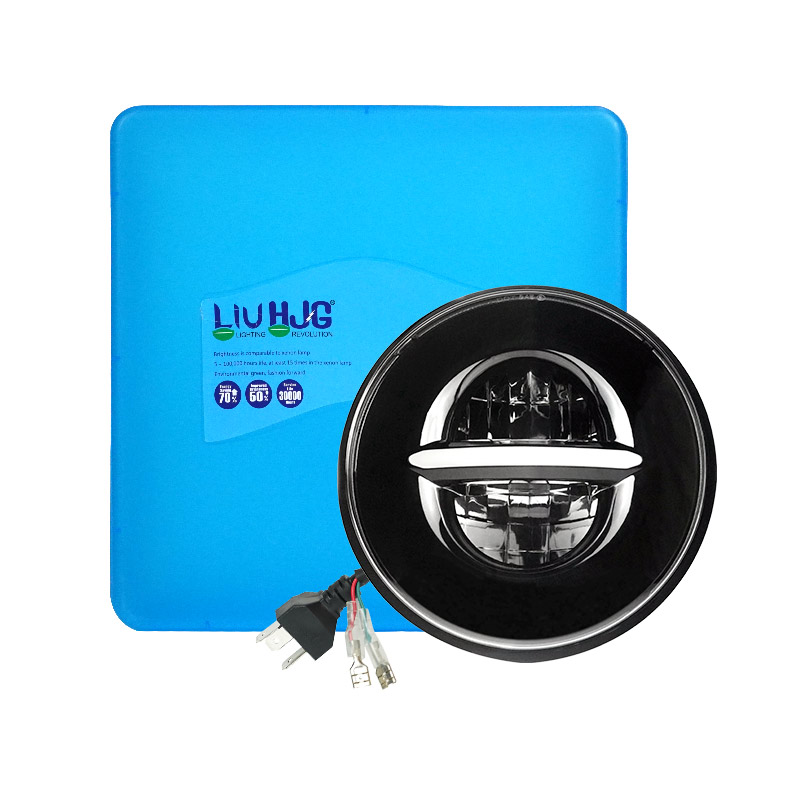
Motorcycle lights are not a single product category but cover a wide range of types, each serving distinct functions to meet diverse modification scenarios — a key foundation for their sustained popularity. Among them, motorcycle headlights, as the primary lighting component, attract the most attention in the modification market. Available in low-beam, high-beam, and adaptive driving beam (ADB) variants, they suit L1 to L5 category motorcycles. Their brightness and illumination range directly determine riding safety at night, making them the first choice for rider modifications. Currently, the market mainly offers halogen, LED, and xenon headlights. LED headlights dominate with a 67.4% market share due to energy efficiency, high brightness, and long lifespan. Halogen lights still hold a share of the low-end modification market for their low cost and high cost-performance ratio, while xenon lights have largely exited mainstream applications due to high costs and slow startup. Technically, high-quality motorcycle headlights feature a color temperature between 3000K and 6000K, ensuring clear illumination without causing glare to oncoming vehicles — a key reference standard for riders.
As core components of motorcycle lights, bulbs are a popular entry-level modification choice. Easy to replace and affordable, they quickly improve lighting performance, making them the first modification step for many new riders. Motorcycle bulbs typically range from 5W to 65W: halogen bulbs usually run at 35W–55W, xenon bulbs at 35W–65W, and LED bulbs at 5W–20W. Riders select appropriate wattage based on their motorcycle’s electrical capacity and riding needs, while complying with regional regulations to avoid safety risks such as battery drain or electrical system damage. Light source technology has also advanced, evolving from traditional filament bulbs to LED modules and gas discharge sources with improved photoelectric performance, meeting international standards including UNR37, UNR99, and UNR128, further driving market adoption. Notably, premium motorcycle bulbs offer luminous efficacy of no less than 100lm/W and a service life of at least 5,000 hours — core indicators distinguishing high-quality products from inferior ones and key considerations for riders.
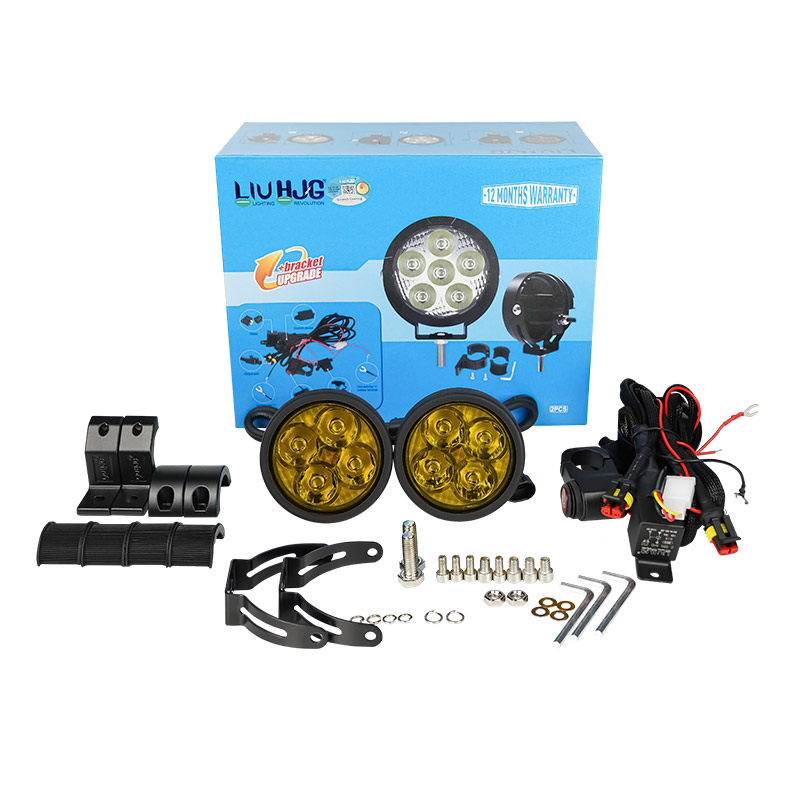
Although not a primary lighting component, motorcycle fog lights serve as highly practical auxiliary lighting in harsh weather, making them essential for mid-to-high-end motorcycle modifications and a major contributor to the popularity of motorcycle lights. They are divided into front and rear fog lights: front fog lights illuminate short-range road surfaces in rain, fog, or snow to reduce blind spots, while rear fog lights alert following vehicles and prevent rear-end collisions.
Beyond these major categories, motorcycle lights also include turn signals, taillights, license plate lights, daytime running lights (DRLs), and other segmented products. Though compact, they are indispensable in motorcycle modification, forming a complete lighting system. Turn signals indicate directional changes to reduce accidents; taillights enhance rear visibility to maintain safe distances; license plate lights ensure nighttime legality and regulatory compliance; DRLs improve daytime visibility, especially in low-light conditions such as overcast weather or tunnels, effectively boosting riding safety. Demand for these segmented products enriches the motorcycle lighting product matrix, satisfying riders’ personalized and practical needs and cementing motorcycle lights as top sellers. For instance, DRLs, a rapidly growing category, have become standard in mid-to-high-end modifications due to their high visibility and safety benefits, further expanding market demand.
The core reason motorcycle lights have become a top modification product lies in their precise alignment with riders’ needs: they fulfill essential safety upgrades while aligning with personalization trends. As two-wheel vehicles, motorcycles have relatively low stability, posing higher safety risks during night or bad-weather riding. Stock lights often suffer from insufficient brightness, limited range, and short lifespans, failing to meet safety requirements. Aftermarket LED headlights and fog lights effectively expand vision, reduce blind spots, and lower accident rates. Statistics show that professionally modified motorcycle lights reduce night-riding accidents by more than 30%, a key driver for riders. Additionally, some high-end lights feature intelligent systems that automatically adjust brightness and beam angle based on speed and ambient light, further enhancing safety and comfort.
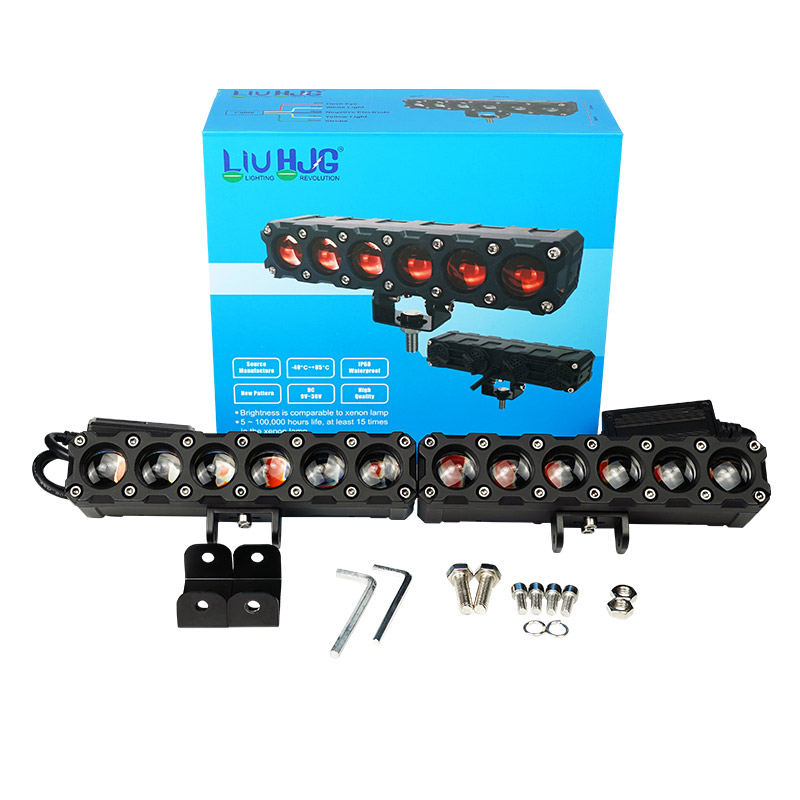
From a technological perspective, rapid iteration and improved performance have strongly supported the modification market and boosted sales. In recent years, LED technology has been widely adopted, with LED modules evolving from single light sources to intelligent optical-thermal-electrical integrated systems. These deliver higher brightness, lower energy consumption, and better waterproof, dustproof, and vibration-resistant performance, suitable for complex outdoor riding conditions. Intelligent features such as adaptive high beams, automatic light sensing, and cornering assist lighting have become standard on mid-to-high-end models, increasing added value and competitiveness. For example, adaptive high beams automatically switch between low and high beams according to oncoming traffic and road conditions, avoiding glare while maintaining illumination. Advances in materials — including aerospace-grade aluminum alloys and high-temperature-resistant PC — have reduced weight while improving durability and aging resistance, extending product lifespan.
Shifting consumer attitudes have also fueled the popularity of motorcycle light modifications. With rising incomes and upgraded consumption concepts, more riders no longer view motorcycles merely as basic transportation but pursue personalized, high-quality riding experiences, with modification as a primary means. As the “eyes” of a motorcycle, lights shape overall appearance and reflect personal style, making them central to customization. Young riders often choose stylish, colorful lights and custom LED bulbs or headlight housings for a unique look, while professional off-road riders prioritize high-brightness, waterproof, and shock-resistant headlights and fog lights to handle rugged terrain. This combination of personalization and practicality has driven the prosperity of the motorcycle light modification market.
On the supply side, manufacturers have increased R&D investment, launching diversified, high-quality products across price ranges to meet varied modification demands. Products span from low-cost halogen bulbs to premium intelligent LED headlights, priced from tens to thousands of yuan, catering to new and professional riders alike. The growth of cross-border e-commerce has expanded global distribution, with Chinese products gaining popularity worldwide for their cost-effectiveness and quality. Meanwhile, the expansion of offline modification shops provides convenient services, with professional technicians delivering customized, safe, and reliable solutions, further driving market development.
Looking ahead, as the motorcycle modification market continues to expand, demand for motorcycle lights — a core modification category — will maintain growth. Technological advances will push lights toward greater intelligence, energy efficiency, and durability, with features such as adaptive high beams, automatic light sensing, and wireless control becoming more widespread. Evolving consumer demand for personalization and quality will diversify product lineups. The global motorcycle market recovery, particularly in high-penetration regions such as Southeast Asia, Europe, and South America, will create new opportunities. Motorcycle lights are set to remain a hot seller in the modification market and an indispensable part of the motorcycle modification industry.