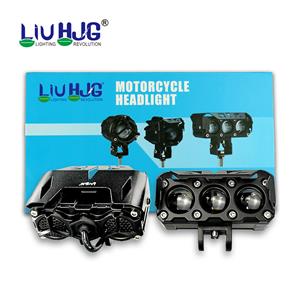
How to Effectively Extend the Service Life of Motorcycle Lights?
LiuHJG
In 2026, with the rapid development of the global motorcycle industry and the upgrading of outdoor riding scenarios, motorcycle lights have evolved from a single lighting accessory to a core safety component of motorcycles. More riders and B-end purchasers pay more attention to the service life and stability of motorcycle lights rather than only focusing on brightness and appearance. Traditional halogen motorcycle lights have shortcomings such as high power consumption, fast light decay and short service life, while mainstream LED lamps on the market have become the first choice for modern motorcycles due to their energy-saving, high-efficiency and long-life advantages. However, many users still face problems such as premature aging, lens yellowing, circuit failure and frequent damage of motorcycle lights in actual use. The service life of LED motorcycle lights, which is theoretically up to 50,000 hours, is often severely shortened due to improper selection, poor heat dissipation, lack of daily maintenance and harsh riding environments. Therefore, mastering scientific optimization methods and maintenance skills is crucial to effectively extend the service life of motorcycle lights, reduce replacement costs, and ensure stable lighting performance in long-term riding scenarios.

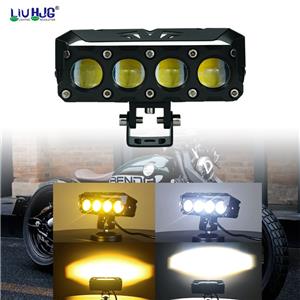
The heat dissipation performance is the core factor restricting the service life of motorcycle LED lamps, and high temperature aging is the primary cause of lamp failure. Different from halogen bulbs that generate light through gas conduction, LED lamps rely on chip luminescence, and the chip is extremely sensitive to operating temperature. Long-term continuous lighting will generate a large amount of concentrated heat. If the heat cannot be dissipated in time, continuous high temperature will accelerate chip aging, cause obvious light decay, and even burn out internal circuits. At present, many low-cost modified motorcycle lights on the market adopt thin and simple heat dissipation structures, lacking professional heat dissipation fins and thermal conductivity modules. In high-temperature weather or long-distance night riding, heat accumulation is serious, which directly leads to a sharp decline in the service life of LED lamps. To solve this problem, users and B-end purchasers should prioritize motorcycle lights equipped with high-quality aluminum alloy heat dissipation structures and active-passive hybrid cooling technology. This structural optimization can efficiently export internal heat, maintain a stable working temperature of the lamp body, avoid performance attenuation caused by overheating, and greatly prolong the effective service life of motorcycle lights.
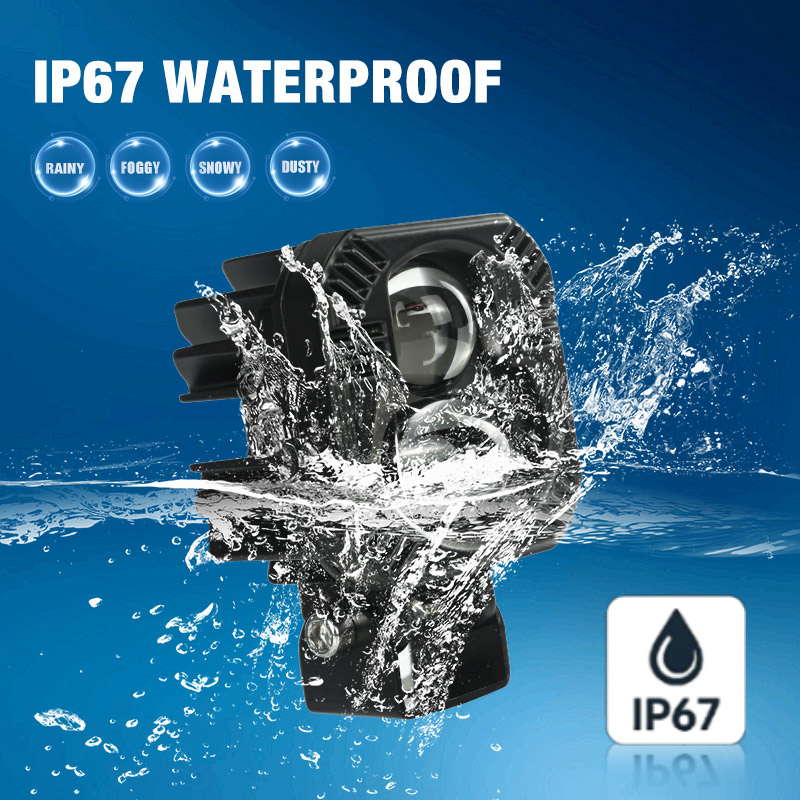
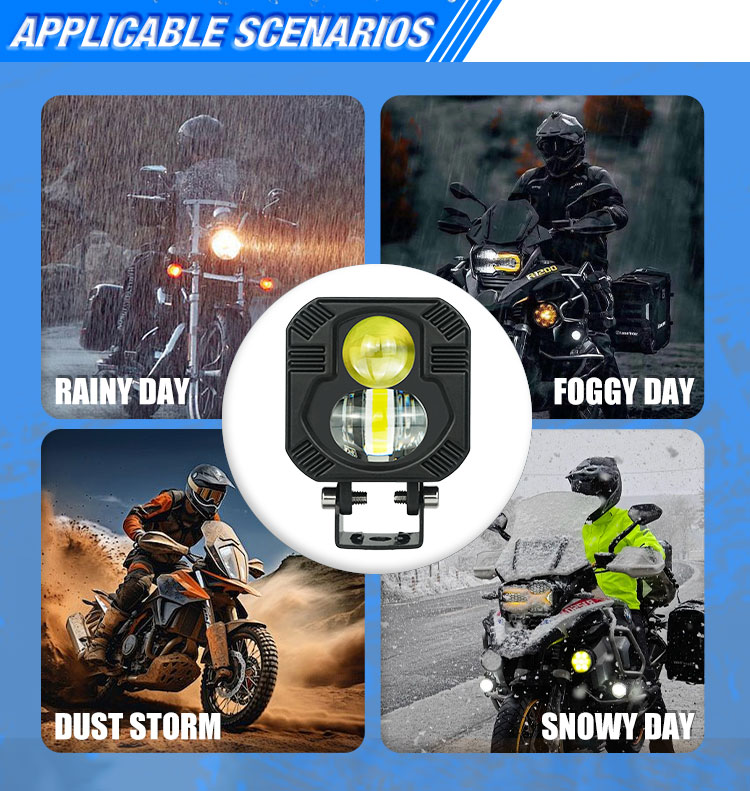
Waterproof and dust proof performance is the key to maintaining the long-term stable operation of motorcycle lights and adapting to complex riding environments. Most motorcycles are used in open-air scenarios, and the lamps will be exposed to wind, rain, dust and muddy roads for a long time. Poor sealing of ordinary motorcycle lights will lead to moisture ingress and dust accumulation inside the lamp body, causing circuit short circuit, lamp bead damage and lens fogging, which seriously affects the service life of the lamps. In recent years, with the expansion of off-road motorcycle and outdoor riding markets, the market demand for high-sealed and high weather-resistant motorcycle lights has continued to rise. High-quality motorcycle lights on the market are equipped with professional sealing rubber rings, pressure balance vents and fully potted circuit technology, which can reach IP68 waterproof and dust proof grade. This design can effectively isolate rainwater, dust and humid air, prevent internal component corrosion and short-circuit failure, and ensure that the LED lamps can maintain stable performance in harsh environments such as rainy days, muddy roads and high humidity. Regular inspection of the waterproof and dust proof structure of motorcycle lights is also essential. Timely replacement of aging sealing accessories can avoid water and dust penetration caused by structural aging, and further consolidate the durability of motorcycle lights.
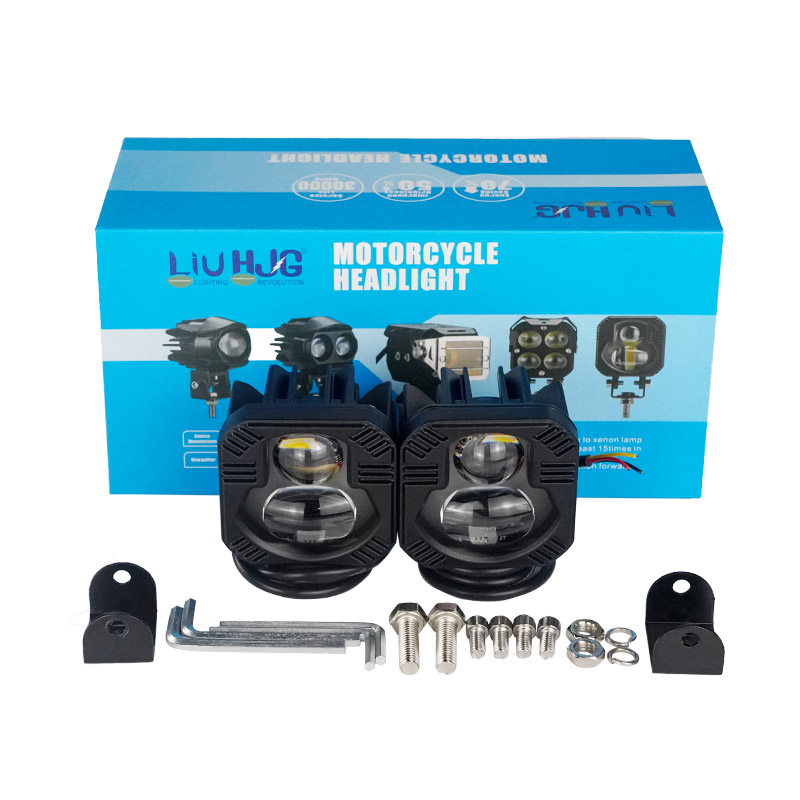
Standardized selection and scientific use are important prerequisites for extending the service life of motorcycle lights. At present, some users blindly pursue high brightness and modify high-power non-standard LED lamps privately. Such lamps lack stable voltage regulation modules, and the motorcycle electrical system is prone to current impact and voltage fluctuation during startup and operation. Long-term unstable power supply will cause frequent flicker of the lamps, burn out lamp beads and circuits, and greatly shorten the service life of motorcycle lights. In addition, frequent switching of lights in a short time and long-term idling lighting will also accelerate lamp aging. In view of this, B-end manufacturers and riders should give priority to wide-voltage constant-current motorcycle lights with stable driving modules. This type of LED lamp can adapt to 12-80V wide voltage range, resist current and voltage impact, avoid lamp damage caused by unstable power supply, and match the electrical parameters of most motorcycle models. At the same time, developing good usage habits, avoiding frequent light switching and long-term no-load lighting, can effectively reduce the working load of motorcycle lights and delay performance aging.
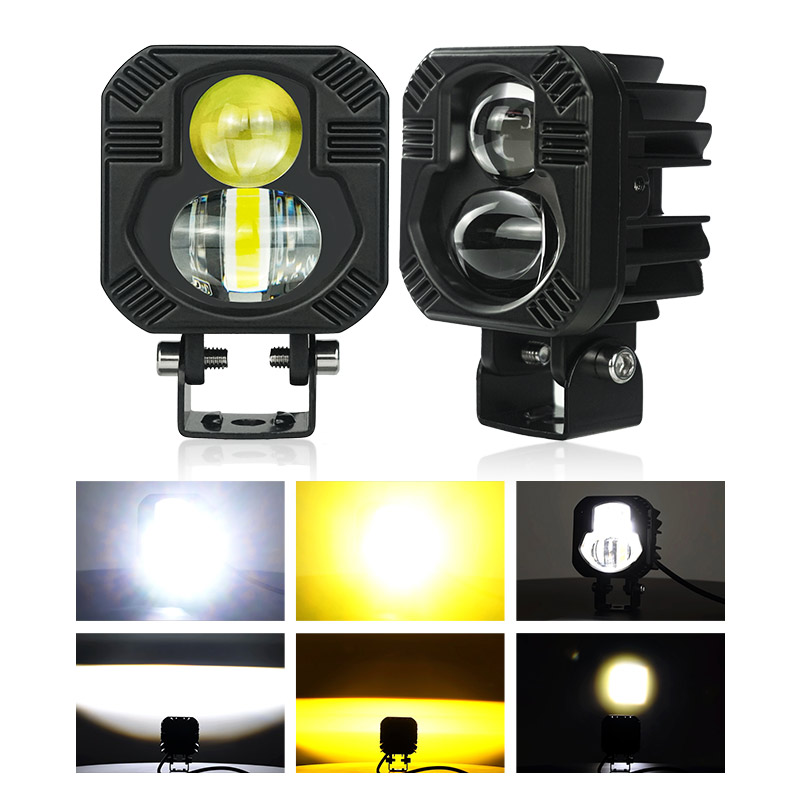
Daily standardized maintenance is an indispensable link to tap the service life potential of motorcycle lights. In the long-term use process, the lens surface of motorcycle lights will accumulate dust, mud and oil stains, which will not only affect the lighting effect, but also block heat dissipation channels, cause internal heat accumulation, and accelerate lamp aging. Many users ignore daily maintenance, resulting in premature yellowing, cracking and light decay of the lamp lens. The correct maintenance method is to use warm water and neutral detergent with soft cotton cloth to clean the lamp surface regularly, avoid corrosive cleaners such as alcohol and strong acid and alkali, so as to prevent lens coating corrosion and irreversible damage. In addition, it is necessary to regularly check the lamp circuit connectors, fix loose lines, and deal with damp and rusty parts in a timely manner. For motorcycles that are left idle for a long time, cut off the lamp power supply properly to avoid low-power long-term power-on loss. Standardized daily maintenance can effectively reduce the failure rate of LED lamps, maximize the service life of motorcycle lights, and reduce the later maintenance and replacement costs for users and B-end merchants.
In conclusion, extending the service life of motorcycle lights is a systematic project integrating product selection, structural performance, usage habits and daily maintenance. In the current motorcycle lighting market, with the continuous improvement of industry standards, high heat dissipation, high waterproof and dust proof, and high stability LED lamps have become the mainstream trend. For B-end manufacturers and purchasers, optimizing product structure and selecting high-performance accessories can improve product durability and market competitiveness. For individual riders, standardizing usage and adhering to scientific maintenance can effectively avoid premature failure of motorcycle lights. Starting from the five core dimensions of heat dissipation performance, waterproof and dust proof, standardized selection, scientific use and daily maintenance, we can fully extend the service life of motorcycle lights, ensure long-term stable and safe lighting of motorcycles, and adapt to the diversified development needs of the current motorcycle riding and modification market.